A crew standing around a site with nothing to do isn’t a scheduling hiccup. It’s money leaving the project every hour those workers are ready but the materials aren’t there.
That scenario plays out constantly, and it’s rarely about bad planning. It’s about supply chains that were never built to be reliable in the first place. Sourcing the best construction materials in Pakistan isn’t just about picking the right product. It’s about picking a supplier who can actually deliver it when the schedule needs it, not weeks after.
The Real Cost of a Material Delay
The numbers on this have gotten worse, not better. Recent industry data shows an average of 46.8 days of delay across an entire construction job, more than double what it was just a few years earlier.
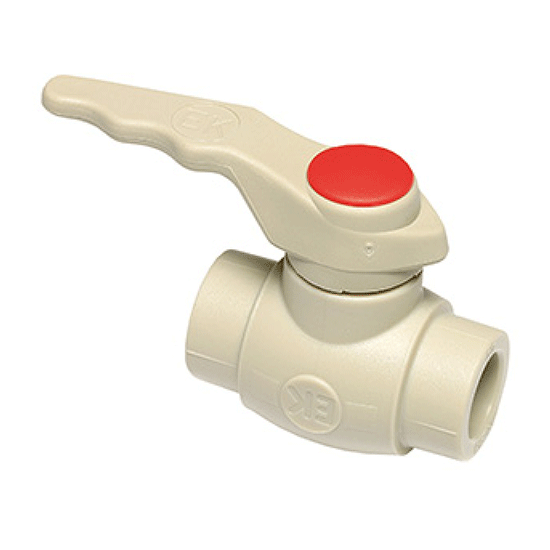
That delay rarely stays contained to one trade. A missing shipment of pipes doesn’t just stall the plumbing crew. It pushes back everyone scheduled to work after them- electrical, finishing, inspection- each waiting on a domino that hasn’t fallen yet. Crews get rescheduled, sometimes pulled onto other jobs entirely, and rebooking them once materials finally arrive rarely happens on the original timeline.
Why More Suppliers Means More Risk, Not Less
Most projects assemble a unique mix of suppliers, one for pipes, another for electrical, another for sanitary ware, each with its own lead time, stock levels, and reliability track record.
That fragmentation is exactly where risk multiplies. Every additional supplier is another point where a single stockout, shipping delay, or customs holdup can stall the entire schedule. A project depending on five different vendors for five different material categories isn’t five times more efficient. It’s five times more exposed to something going wrong on any given week.
What Actually Protects a Timeline
A handful of practical choices genuinely reduce this exposure, and none of them require overhauling how a project runs.
- Working with suppliers who carry deep, verified stock, not just catalog listings
- Consolidating multiple material categories under fewer, more reliable vendors
- Choosing local, established distributors over relying purely on long-lead imports
- Confirming stock availability before it becomes a scheduling assumption, not after
None of this eliminates delay risk entirely. It does shrink the number of places a project’s timeline is quietly depending on someone else’s warehouse.
Burhani Traders
This is exactly the exposure Burhani Traders was built to reduce, consolidating pipes, sanitary ware, electrical products, paints, and hardware under one supplier relationship instead of five separate ones.
Operating since 1993 and built on the legacy of Taheri Sanitary, Burhani Traders is an authorized distributor of Dadex and several other established brands, giving contractors real stock depth across multiple categories rather than a single narrow product line. For project managers sourcing the best construction materials in Pakistan without stacking supplier risk on top of an already tight schedule, that consolidated range is what keeps a delay in one category from cascading through the entire project.
FAQ’s
- How much delay does the average construction project face from material issues?
Recent data shows an average of 46.8 days of delay across a construction job, nearly double what it was a few years ago.
- Why does using multiple suppliers increase project risk? Each supplier represents a separate point of potential failure, and any single stockout or delay can stall the entire schedule.
- Does consolidating suppliers actually reduce delays? Yes. Working with fewer, more reliable vendors across multiple categories reduces the number of independent risks a timeline depends on.
- Should contractors rely on imported materials for critical path items? Where possible, sourcing from established local distributors reduces exposure to long international lead times and customs delays.
- Where can contractors find reliable construction material availability in Pakistan? Burhani Traders supplies pipes, electrical, sanitary, paint, and hardware materials as an authorized Dadex distributor with consistent local stock.
Conclusion
A construction timeline rarely fails because of one big mistake.
It fails one missing shipment at a time, spread across too many suppliers to actually manage.
Fewer, more reliable sources aren’t just simpler. It’s the difference between a schedule that holds and one that quietly falls apart.